ADVANTAGES OF ULT SPACE COOLER
Safety and Environmental Responsibility
Efficiency at partial load
Consistently High Performance (No Degradation Over Time)
High Energy Efficiency
The absence of heat exchangers, fans, and supporting structures prevents loss of useful cooling capacity and avoiding unnecessary heat input. ULT SPACE COOLER operates reliably even at extremely low temperatures.
Low Operating Costs
No Frost Formation
Reliable Design
Simple Chamber Integration
Wide Temperature Range and Easy Control
Ready-made Solutions
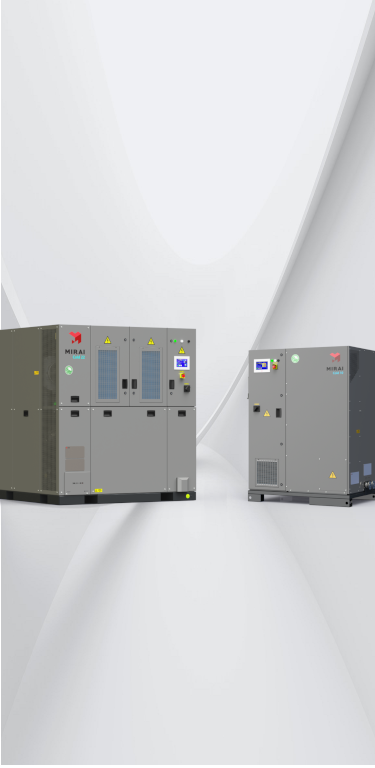
Ultra-low temperature refrigeration machine MIRAI COLD works with the safest & most natural refrigerant – natural air.

MIRAI Cold 10
(MC 10 O/W)
-

-
-
-


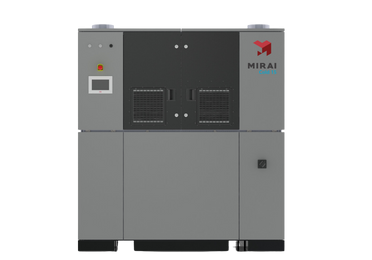
MIRAI Cold 15
(MC 15 O/A)
-
-
-
-
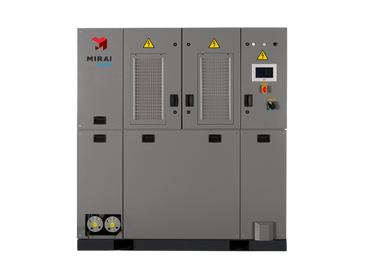
MIRAI Cold 22
(MC 22 O/W)
-
-
-
-
Applications
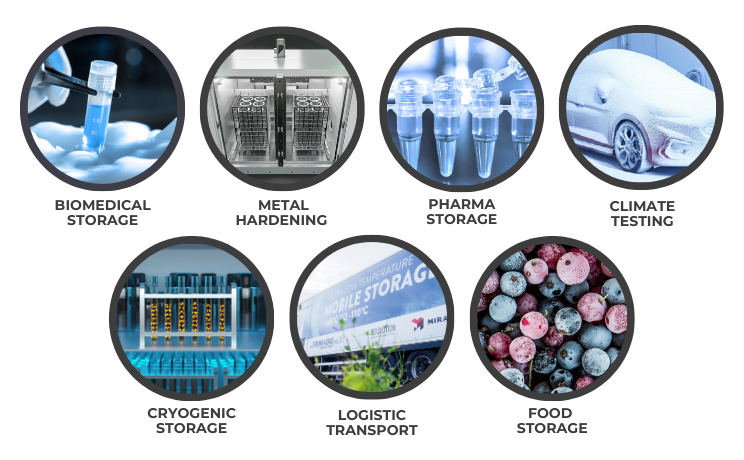
ULT SPACE COOLER APPLICATIONS
Biomedical Storage
Preservation of precious and delicate items or testing their duration through the most extreme conditions is only some of the things our solution can provide. Keep samples and sensitive materials in a homogenous environment all years round without harm.
Metal Hardening
Cryogenic steel treatment is carried out at temperatures between -70°C and -120°C for one hour. It increases hardness and wear resistance by converting a higher proportion of austenite to martensite. The cooling room for cryogenic steel hardening consists of two rooms separated by a permeable barrier. Therefore, two different batches can be hardened in one machine. A heat exchange takes place between a new batch and the warm batch before the warm batch has to be cooled down to the required temperatures using an air cycle machine. This saves some of the refrigeration capacity required for cooling and reduces operating costs.
Pharma Storage
Storage, management and transportation of life-saving products such as vaccines, pharmaceuticals require a precisely coordinated chain of events under controlled temperature conditions. Temperature accuracy and quality assurance are key requirements for manufacturers. Temperature uniformity, optimum storage temperatures, electrical equipment and surface area are decisive factors in the energy efficiency of a cold store. With reliable systems, the manufacturer will never be exposed to material losses in the form of spoiled vaccines or pharmaceuticals.
Climate Testing
Testing is an important part of the product development process, control at all stages of production and pre-sale preparation of equipment, products, and devices. The main indicator of the quality of any product is resistance to temperature effects.
With highly reliable refrigeration system MIRAI COLD set and maintained temperatures have an accuracy down to the 0.5ºC via the integrated variable speed drive on the compressor.
Cryogenic Storage
Cryogenic storage of biological materials usually requires temperatures below - 130 °C. Ultra-low temperatures are achieved by cooling with clean air. Machines with temperatures down to -160 degrees Celsius are designed according to personal design and request.
Cryogenic storage needs to be foremost stable and reliable for you to be sure that stored samples are in the best conditions.
Logistic Transport
Logistic transport with ultra-low temperature capabilities is a specialized service designed to safely and efficiently transport sensitive goods that require maintenance at extremely low temperatures, typically ranging from -40°C to -150°C. This type of logistics is crucial for sectors such as healthcare, pharmaceuticals, and biotechnology, where the integrity of products like vaccines, biological samples, and certain chemicals must be preserved throughout the transportation process. Equipped with advanced cooling technologies and real-time temperature monitoring systems, these transport solutions ensure that the products remain within their required temperature range, minimizing the risk of degradation or loss of potency.
Food Storage
Storing food at -60°С stops all intra-cellular biochemical processes and denaturation of proteins, doesn’t damage tissue cells and prevents the formation of large ice crystals as it occurs at -18°C.
Cryotherapy
Cryotherapy is mainly used to relieve muscle pain, sprains and swelling after soft tissue injuries (sports) or surgery, as well as to improve recovery after sports activities. The treatment involves exposing individuals to extremely cold dry air from − 100 °C down to – 160°C for 2-4 minutes. During these exposures, individuals wear minimal clothing to maximize the effects of cryotherapy.
ULT SPACE COOLER APPLICATIONS
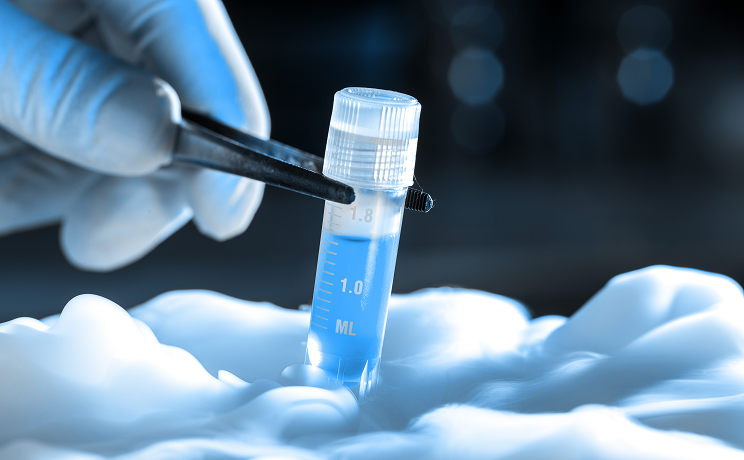
Biomedical Storage
Preservation of precious and delicate items or testing their duration through the most extreme conditions is only some of the things our solution can provide. Keep samples and sensitive materials in a homogenous environment all years round without harm.

Metal Hardening
Cryogenic steel treatment is carried out at temperatures between -70°C and -120°C for one hour. It increases hardness and wear resistance by converting a higher proportion of austenite to martensite. The cooling room for cryogenic steel hardening consists of two rooms separated by a permeable barrier. Therefore, two different batches can be hardened in one machine. A heat exchange takes place between a new batch and the warm batch before the warm batch has to be cooled down to the required temperatures using an air cycle machine. This saves some of the refrigeration capacity required for cooling and reduces operating costs.

Pharma Storage
Storage, management and transportation of life-saving products such as vaccines, pharmaceuticals require a precisely coordinated chain of events under controlled temperature conditions. Temperature accuracy and quality assurance are key requirements for manufacturers. Temperature uniformity, optimum storage temperatures, electrical equipment and surface area are decisive factors in the energy efficiency of a cold store. With reliable systems, the manufacturer will never be exposed to material losses in the form of spoiled vaccines or pharmaceuticals.
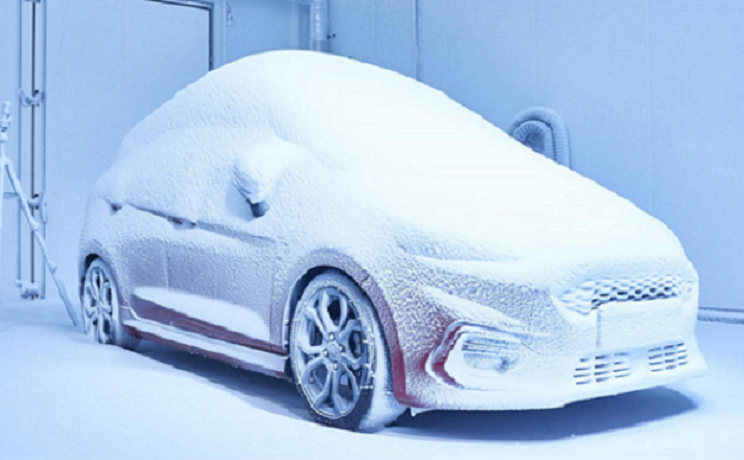
Climate Testing
Testing is an important part of the product development process, control at all stages of production and pre-sale preparation of equipment, products, and devices. The main indicator of the quality of any product is resistance to temperature effects.
With highly reliable refrigeration system MIRAI COLD set and maintained temperatures have an accuracy down to the 0.5ºC via the integrated variable speed drive on the compressor.

Cryogenic Storage
Cryogenic storage of biological materials usually requires temperatures below - 130 °C. Ultra-low temperatures are achieved by cooling with clean air. Machines with temperatures down to -160 degrees Celsius are designed according to personal design and request.
Cryogenic storage needs to be foremost stable and reliable for you to be sure that stored samples are in the best conditions.

Logistic Transport
Logistic transport with ultra-low temperature capabilities is a specialized service designed to safely and efficiently transport sensitive goods that require maintenance at extremely low temperatures, typically ranging from -40°C to -150°C. This type of logistics is crucial for sectors such as healthcare, pharmaceuticals, and biotechnology, where the integrity of products like vaccines, biological samples, and certain chemicals must be preserved throughout the transportation process. Equipped with advanced cooling technologies and real-time temperature monitoring systems, these transport solutions ensure that the products remain within their required temperature range, minimizing the risk of degradation or loss of potency.

Food Storage
Storing food at -60°С stops all intra-cellular biochemical processes and denaturation of proteins, doesn’t damage tissue cells and prevents the formation of large ice crystals as it occurs at -18°C.
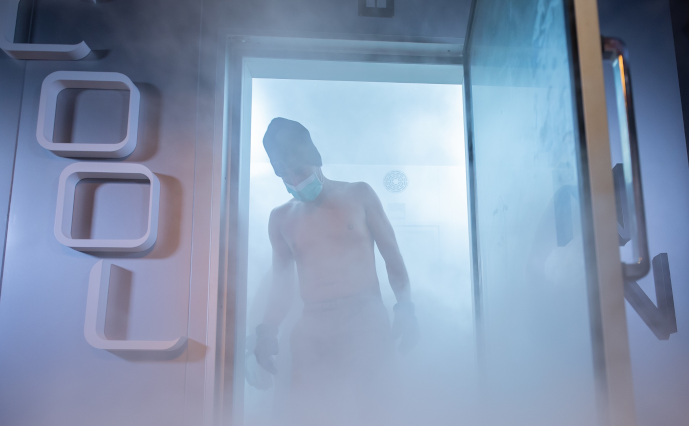
Cryotherapy
Cryotherapy is mainly used to relieve muscle pain, sprains and swelling after soft tissue injuries (sports) or surgery, as well as to improve recovery after sports activities. The treatment involves exposing individuals to extremely cold dry air from − 100 °C down to – 160°C for 2-4 minutes. During these exposures, individuals wear minimal clothing to maximize the effects of cryotherapy.
How the open cycle systems works
Air is heated during compression and cooled through a series of heat exchanger sand then expanded to reach ultra-low temperatures.
While repeating the cycle of compression, cooling and expansion we can achieve temperatures down to -160°C.