The Role of the Air Cycle in the ULT Space Cooler Line: Safety and Environmental Responsibility at Ultra-Low Temperatures

The air cycle used in the ULT Space Cooler line is an important part of making sure that ultra-low-temperature cooling is safe and good for the environment.
The ultra-low temperature (ULT) market is changing because environmental rules are getting stricter and more people are paying attention to safety at work. Pharmaceuticals, biotechnology, research labs, and the storage of sensitive materials all need not only stable temperature control but also high operational reliability, environmental neutrality, and low risks for workers.
In this case, the reverse brayton cycle refrigeration technology used in the ULT Space Cooler line is a different way of doing things in engineering. Air (R729 refrigerant) is the refrigerant in these systems. This is a big difference between them and traditional vapor-compression systems, and it needs to be looked at separately in terms of safety, net zero impact, and following the rules
.png)
Air (R729 refrigerant) as a Refrigerant: Legal and Physical Considerations
It is always hard to choose air cycle refrigeration vs vapor compression. In traditional vapor-compression refrigeration systems, synthetic or natural refrigerants move around in a closed loop. These substances must follow rules about how to store, charge, monitor leaks, recover, and get rid of them, no matter where they came from. This is especially true for fluorinated gases (F-gases), which are becoming less common in many countries.
Air (R729 refrigerant) is the working medium in an air cycle refrigeration system. From an environmental point of view, it has these traits:
-0 GWP (no potential for global warming)
-0 ODP (no potential for ozone depletion)
-0 TFA (no formation of trifluoroacetic acid that lasts)
Even modern synthetic refrigerants with a lower GWP may still help make fluorinated compounds that last a long time. These compounds are getting more and more attention from regulators. When the limits on GWP and the amounts of F-gases that can be used are changed, using air gets rid of the need for regulation because air is not a controlled refrigerant.
.png)
More rules are being put in place for refrigerants
Regulations in the refrigeration industry are getting stricter, especially when it comes to synthetic refrigerants. This trend can be seen in: lower limits on how much F-gas can be used; stricter rules for reporting leaks; mandatory training for employees; stricter rules for collecting and disposing of refrigerants; and new classifications of substances based on how toxic and flammable they are.
In ULT applications, even natural refrigerants like ammonia, hydrocarbons, and CO₂ need complicated engineering solutions. They might be toxic, catch fire, or work only under high pressure, which makes the design and operational requirements higher.
Systems with air cycle refrigeration don't have these problems. They don't have any chemicals that are dangerous, toxic, or flammable, which makes the rules much easier to follow. This is especially important for places where the equipment lasts a long time, like pharmaceutical warehouses, research centers, and factories.
.png)
Getting rid of the risk of refrigerant leaks
One of the biggest problems with traditional refrigeration systems is that they can leak refrigerant. Possible effects depend on the type of refrigerant:
Toxic exposure (like ammonia), fire or explosion risks (like hydrocarbons), asphyxiation risks at high concentrations (like CO₂), environmental liability and mandatory reporting (like F-gases).
In ULT systems, big differences in temperature and pressure put more stress on parts, which could make leaks more likely.
R729 refrigerant is the working medium in the ULT Space Cooler line. When the pressure drops, regular air from the atmosphere is let out into the environment.
This gets rid of: chemical dangers, the risk of fire or explosion, and the need for emergency plans for dangerous refrigerants.
Because of this, infrastructure needs may go down, such as the need for gas detection systems, explosion-proof zones, and special ventilation.
No Rules for Storing or Getting Rid of Refrigerant
Most of the time, traditional refrigeration systems include:
-getting refrigerant;
-storing cylinders or tanks;
-charging them in a controlled way;
-checking for leaks; recovering and getting rid of them.
Each of these steps makes things more expensive, harder to run, and requires more administrative oversight. Some countries require special permits and compliance with fire safety rules to store certain refrigerants.
Air cycle refrigeration systems do not need to buy, store, or get rid of refrigerant. After the system's service life is over, air doesn't need to be moved, stored, or processed in any special way. This makes things easier and lessens the administrative burden, especially at sites with little space or infrastructure that is far away.
Safety for workers and fewer steps in the process
In traditional refrigeration systems, workers do things like charge and recharge the refrigerant, test for leaks, maintain the compressor and refrigeration circuit, and keep an eye on the pressure and condition of the refrigerant.
To work with chemical refrigerants, you need special training and strict safety rules. Depending on the substance, there could be risks like chemical burns, exposure to toxic substances, or fire hazards.
MIRAI air cycle refrigeration systems don't need to be charged with refrigerant. This: keeps people from coming into direct contact with dangerous substances; lowers the number of certifications needed for employees; and lowers the chance of accidents caused by human error.
Because of this, safety is built into the system instead of being the result of complicated compliance procedures.
As part of the process, air thermal treatment and purification
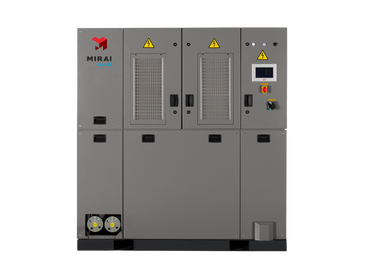
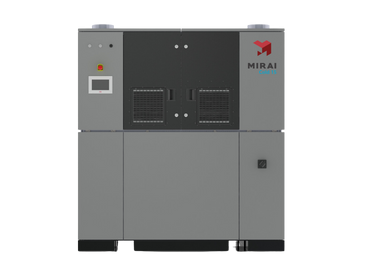
Another technical aspect of MIRAI air cycle refrigeration systems is that the air that goes through the unit (like the MIRAI Cold 10) is heated and cleaned before it enters the cooled chamber.
This means that air circulation does two things at once:
-Making things cooler.
-Bringing clean, conditioned air into the storage space.
In traditional vapor-compression systems, the refrigerant moves in a closed loop and heat exchangers cool the air. The air in the chamber is cooled indirectly and not through the refrigeration cycle itself.
Airflow is a part of the thermodynamic process in an air-cycle system. This makes sure that there is clean, safe air, that there are no risks of contamination from refrigerant leaks, and that sensitive equipment and stored materials are less likely to be affected.
This could make operations more reliable when storing pharmaceutical products, biological samples, or valuable research materials.
Engineering Aspects of Functioning at Temperatures Below –40 °C
To get temperatures below –40 °C, most systems use cascade refrigeration or special refrigerants. This makes the equipment more complicated and puts more stress on the compressors and control systems.
The reverse brayton cycle refrigeration is what the air cycle is based on. It doesn't depend on phase changes between liquid and vapor like vapor-compression systems do. The adiabatic expansion of compressed air cools things down.
Some important engineering features are: no condensation or evaporation, stable working-medium properties over a wide range of temperatures, and predictable system behavior at very low temperatures.
In ULT applications, where reliability is very important, making the thermodynamic process simpler helps keep things stable over time.
Long-Term Sustainability and Independence from Rules
Most ULT cooling systems are made to last between 10 and 20 years. The rules may change a lot during this time. The history of F-gas regulation shows that some refrigerants can be limited or even banned completely.
When you use R729 refrigerant, you don't have to worry about: changes in quotas; possible future bans; changes in refrigerant prices; or supply problems.
In this case, being environmentally neutral is not a marketing advantage but a structural factor that lowers legal and regulatory risks for the entire time the equipment is in use.
In conclusion
As environmental and industrial standards get stricter, picking the right refrigerant is becoming more important. This is especially important in the ultra-low-temperature (ULT) sector because traditional refrigerants often need complicated safety systems, special handling, and more government oversight.
The ULT Space Cooler line takes a different approach. It uses air (R729 refrigerant) and the reverse brayton cycle refrigeration technology to get temperatures below -40 °C. This is a different way to cool things down than using refrigerants.
From an engineering point of view, using air as a working fluid makes it easier to design systems. It gets rid of dangerous or flammable materials, makes it unnecessary to store and handle refrigerants, and lowers the need for safety infrastructure. The storage chamber gets air that has been thermally treated, which helps keep things cool and makes the workplace safer.
The system is inherently ready for the future from a regulatory point of view. Air (R729 refrigerant) has no GWP, no ODP, and no TFA formation. This helps operators avoid current and future restrictions on fluorinated refrigerants and lowers the risk of not following the rules in the long term.
From a sustainability point of view, the technology helps lower the impact on the environment. The system cuts down on the environmental impact of ULT cooling while meeting stricter sustainability goals. It does this by not having to manage the lifecycle of refrigerants, not having to worry about leaks, and not having to throw things away.