What Is Net Zero and Why It Matters
The idea of net zero sustainability has become one of the main ideas that guide climate policy and changes in industry around the world. In short, net zero means finding a balance between the greenhouse gases that are released into the air and the ones that are taken out of it. When the amount of greenhouse gases released into the air by people is equal to the amount that is taken up or removed, the overall effect on the climate system is neutral.
So, the net zero definition is based on balance, not complete removal. In some areas, like heavy industry, aviation, and some manufacturing processes, some emissions will still be unavoidable. But carbon removal methods must make up for these leftover emissions so that the total effect is zero.
Policymakers and businesses both need to know what "net zero" means. The goal is not just to cut emissions by a little bit, but to make big changes to energy systems, infrastructure, and production processes so that emissions are cut by a lot over the long term. People often call this big change "net zero transformation."
A lot of governments and businesses have set a net zero goal that is in line with international climate agreements that aim for net zero emissions by the middle of the century. Organizations that make these promises must change how they get their energy, make their operations more efficient, and put in place a clear net zero strategy throughout their operations and supply chains.
For businesses, net zero sustainability means being responsible for the environment and having a chance to use new technologies. Companies that put money into efficient systems, using renewable energy, and advanced thermal management technologies are putting themselves in a bigger sustainability net zero economy.
In the end, sustainability net zero has two parts that are linked:
stabilizing the global climate system so that businesses can work with less harm to the environment
As industries move toward net zero sustainability, new technologies will be key to reaching climate goals while still keeping operations running smoothly.
What Does “Net Zero” Mean?
It is helpful to think about emissions in terms of system equilibrium while trying to define net zero meaning. Climate science says that greenhouse gases keep heat in the air. The mechanism builds up energy when emissions are too great for the Earth to handle. This makes the planet warmer.
So, "net zero" means balancing the emissions that go into the air with those that come out.
What is net zero meaning? People ask this a lot. There are three important aspects to the answer:
- Reducing emissions at the source
- Replacing high-carbon technology with low-carbon ones
- Getting rid of carbon that is still in the air
Cutting emissions should be the first step in a real net zero approach. We only utilize carbon removal and offsets for emissions that we can't get rid of with technology today.
This means that businesses who want to be net zero sustainable need to adapt how they do things so that they consume less energy and make less carbon. For long-term net zero targets to work, we need to make improvements to manufacturing systems, building infrastructure, and digital platforms.
The net zero definition is more than just math. It means thinking about the complete life cycle, making things use less energy, and coming up with new technologies that will help us accomplish a long-term net zero goal.
Net Zero vs Carbon Neutral
People often mix up net zero sustainability with carbon neutrality, although these are two different ways to be responsible for climate change.
Carbon neutrality usually involves making up for emissions by buying carbon offsets, even if that doesn't mean cutting emissions by a lot. In contrast, net zero sustainability needs big cuts in emissions before offsets are ever thought about.
Offsets are external balancing mechanisms from a systems point of view, while net zero transformation is about changing the system itself to lower emissions in a structural way.
Key differences include:
|
Aspect |
Carbon Neutral |
Net Zero |
|
Emission reduction |
Limited requirement |
Deep emission cuts required |
|
Offsets |
Primary balancing method |
Used only for residual emissions |
|
System redesign |
Minimal |
Extensive net zero transformation |
Companies that use sustainability net zero frameworks usually set science-based goals that are in line with global climate goals. These goals help with long-term investments and operational improvements as part of a structured net zero strategy.
To reach the global net zero goal, we need to make this deeper change instead of just using offsets.
Why Net Zero Is Critical
The buildup of greenhouse gases over time is what causes climate change. Because these gases stay in the air for decades or even centuries, putting off cutting emissions raises the long-term risk to the climate.
So, it is very important to put net zero sustainability policies into place to stop the world from getting warmer and the environment from getting worse.
Models of the world's climate show that emissions need to drop to net zero by about 2050 in order to keep temperatures stable. If we don't make quick progress toward net zero, the chances of going over safe temperature limits go up a lot.
This change depends heavily on industries. All of the following things add to global emissions: making energy, moving people and goods, and building digital infrastructure. Companies can slowly cut emissions while keeping their operations stable by using a structured net zero strategy.
Climate Change and the 1.5°C Target
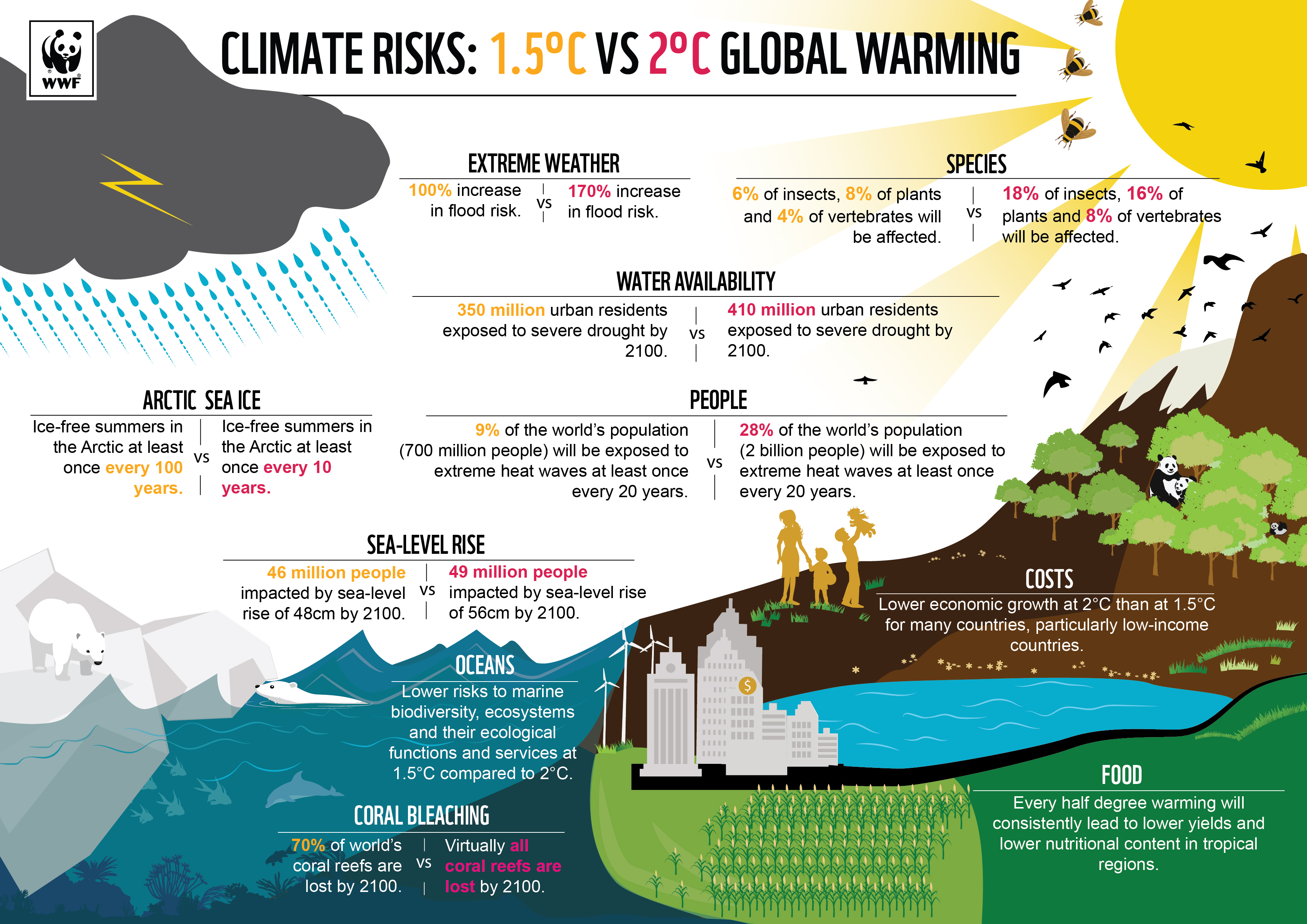
The goal of international climate agreements is to keep global warming to around 1.5°C above what it was before the industrial revolution. To attain this goal, we need to cut down on carbon emissions quickly and persuade a lot of people to employ sustainability measures that don't add to the problem.
Scientific research shows that reaching the net zero goal by the middle of the century considerably lowers the chances of extreme weather, increasing sea levels, and damage to ecosystems.
Governments and businesses need to work together to establish laws and technologies that support sustainability net zero paths in order to attain this goal. increased renewable energy, increased electrification of industry, and higher energy efficiency are all things that need to happen.
All of these projects are part of a worldwide net zero revolution that will revolutionize how we receive energy, how we build things, and how we do business.
Health, Ecosystems, and Society
Climate change has repercussions on social and environmental systems that go beyond just temperatures getting higher. Air quality, biodiversity, water resources, and food security are all greatly affected by greenhouse gas emissions.
Advancing net zero sustainability keeps ecosystems healthy and lowers air pollution. Reducing emissions makes the air in cities cleaner and lessens the risk of respiratory problems caused by pollution from small particles.
Sustainability net zero activities also help keep agricultural systems stable and protect biodiversity from a social point of view. Putting in place full net zero plan frameworks in both the public and private sectors is even more crucial because of the advantages to the environment.
Companies that employ net zero sustainability strategies often get extra benefits, such being more efficient, spending less on running costs, and following the rules better.
How Net Zero Can Be Achieved
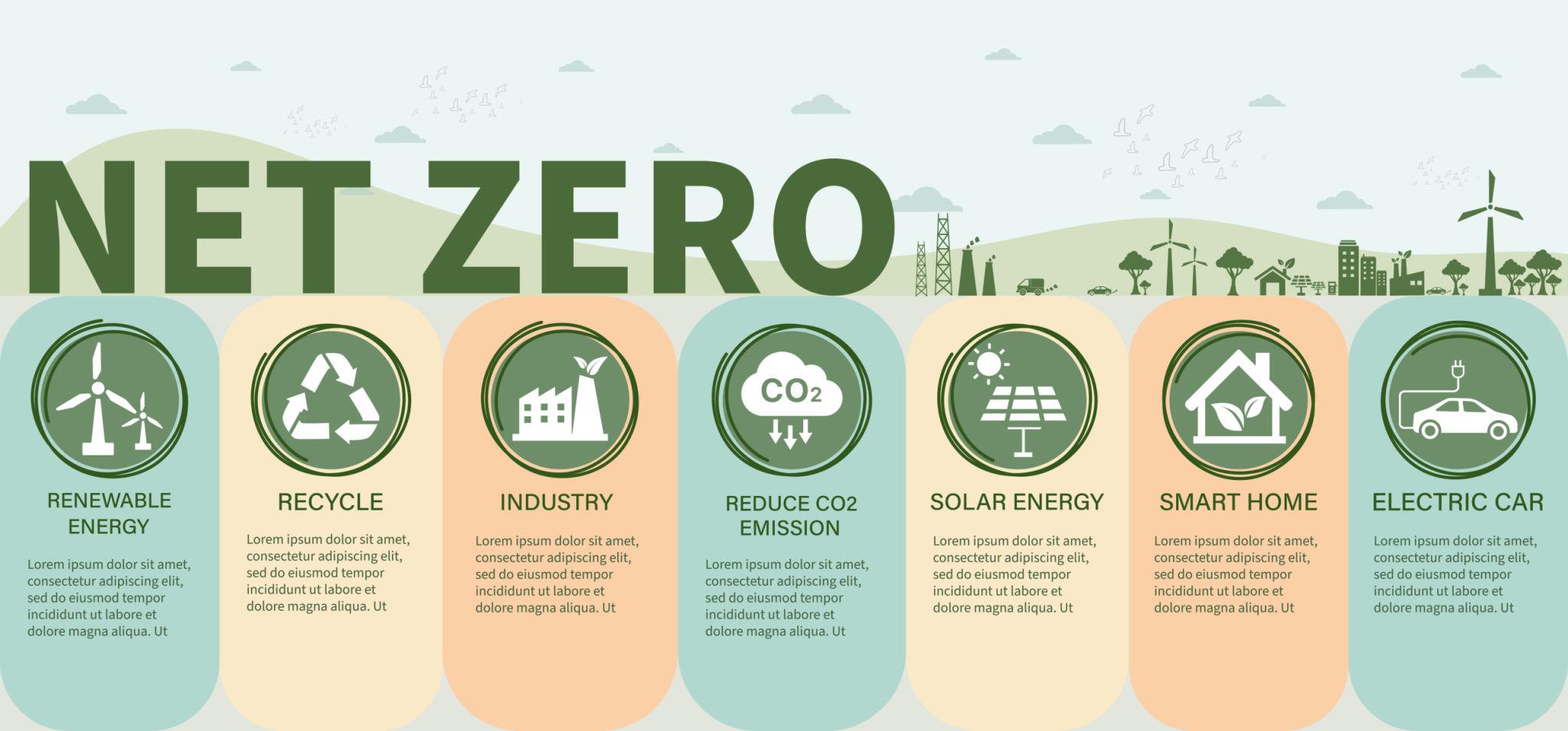
To reach net zero sustainability, many different areas of technology and policy need to work together. A common net zero strategy includes making energy use more efficient, switching to renewable energy sources, electrifying processes, and using technologies that remove carbon from the air.
These steps are part of a bigger plan to make the global economy net zero.
Emissions Reduction
Net zero sustainability is based on reducing direct emissions.
Typical approaches include:
- increasing energy efficiency
- electrifying industrial processes
- replacing fossil fuels with renewable energy
- optimizing manufacturing operations
These changes cut down on emissions from operations by a lot and bring companies closer to their net zero goal.
For companies that want to be net zero, cutting down on emissions is usually the best and most cost-effective way to do it.
Carbon Removal
Carbon removal technologies deal with emissions that can't be gotten rid of yet.
Examples include:
- direct air capture technologies
- bioenergy with carbon capture
- reforestation programs
- soil carbon sequestration
These methods take carbon dioxide out of the air and help keep net zero sustainability frameworks in balance by balancing leftover emissions.
But technologies for removal are still not very widespread. Because of this, most sustainability net zero strategies focus on cutting emissions first and using removal technologies as extra tools.
Offsetting
Verified climate projects make up for unavoidable emissions through offsets.
Some examples are programs to capture methane, install renewable energy sources, or plant trees. In a responsible net zero strategy, offsets are only used after big cuts in emissions have been made.
Offsets can help with net zero sustainability, but if you rely on them too much, they may make climate strategies less effective. Because of this, companies that want to reach net zero sustainability goals usually put technology improvements and efficiency gains at the top of their list.
Net Zero for Businesses
For businesses, achieving net zero sustainability means making emissions management a part of their daily operations.
Companies that want to be net zero in terms of sustainability often focus on:
- energy procurement strategies
- efficiency improvements in equipment
- digital monitoring of emissions
- supply-chain decarbonization
Organizations can figure out their current carbon footprint and make realistic plans for how to get there by understanding what is net zero emissions.
These initiatives are the building blocks of corporate net zero transformation, which helps businesses meet global climate goals while still running their operations.
Business Benefits
Using net zero sustainability strategies has a number of operational benefits.
Companies frequently experience:
- lower energy consumption
- improved operational efficiency
- stronger investor confidence
- enhanced brand credibility
A well-thought-out net zero strategy also gets businesses ready for future rules about the environment and prices for carbon.
As global markets move toward sustainability net zero commitments, companies who adopt them early frequently have an edge over their competitors because they are more efficient and lead the way in technology.
Net-Zero Buildings & Digital Infrastructure
Buildings and digital infrastructure are quickly becoming two of the biggest energy users. Cooling and thermal management in data centers, labs, and advanced computing facilities use a lot of energy.
To make buildings more sustainable, they need to use smart energy systems, efficient cooling technologies, and renewable electricity.
These steps help organizations get closer to their net zero goal and are part of bigger efforts to reach net zero.
Standards and Frameworks
There are a number of international frameworks that help put net zero sustainability plans into action.
Examples include:
- Science Based Targets initiative (SBTi)
- ISO sustainability standards
- national climate transition roadmaps
These frameworks help businesses figure out what net zero means, set measurable emission goals, and keep track of how well they're doing on their sustainability net zero commitments.
Standardized reporting also makes things more open and makes sure that corporate net zero strategy programs stay in line with global climate goals.
Challenges and Risks
Even though there is a lot of momentum, reaching net zero sustainability is not easy.
When energy-intensive industries switch from fossil fuels, they run into technological and economic problems. Infrastructure problems, supply chain problems, and lack of funding may make it harder for some sectors to reach net zero.
Some old technologies also use refrigerants and energy systems that are slowly being phased out because of environmental rules. These regulatory pressures make it even more important to come up with new ideas that help reach sustainability net zero goals.
One of the biggest problems for businesses that want to reach net zero in the long term is finding a balance between what technology can do and what they want to do for the climate.
The Path Forward
The move toward net zero sustainability around the world is changing energy systems, industrial technologies, and digital infrastructure.
Progress in the future will depend on improvements in renewable energy, energy storage, and low-carbon industrial technologies. Cooling systems, energy-efficient appliances, and eco-friendly refrigerants will also be very important in lowering emissions in many areas.
Understanding what is net zero, its technical foundations, and its operational implications enables organizations to align innovation with climate objectives.
As industries continue moving toward sustainability net zero, the combination of technological innovation, responsible policy, and corporate leadership will determine how effectively the global net zero goal can be achieved by 2050.