How to Modernize Outdated Freezing Systems

In the fields of plasma processing and biobanking, the term "outdated freezing systems" refers to equipment that no longer meets today's standards for performance, reliability, compliance with rules, or energy efficiency. These systems are usually based on older refrigeration designs, old compressors, outdated refrigerants, or control systems that don't have the monitoring features that are needed in today's regulated environments.
These systems might still work for a lot of plasma centers, blood banks, and biopharmaceutical facilities. But the needs of the business have changed a lot in the last ten years. The amount of plasma collected has gone up, the amount of regulatory scrutiny has gone up, and the cost of energy has gone up. At the same time, modern technologies allow freezing processes to operate faster, more consistently, and with significantly lower operational risk.
This alteration has rendered strategies for enhancing plasma freezing systems more attractive. Many facilities opt for modernization techniques that enhance the longevity and performance of their equipment, instead of completely replacing entire infrastructures.
A well-designed plasma freezing system upgrade focuses on improving freezing speed, stabilizing temperature control, and reducing maintenance burdens while keeping the core infrastructure intact. This approach enables companies to modernize plasma freezing capabilities without incurring significant expenses, halting operations, or redesigning their facilities as would be necessary with the purchase of new equipment.
Consequently, enhancing plasma freezing has emerged as a strategic priority for facilities aiming to operate efficiently while adapting to evolving technical and regulatory standards.
Why Plasma Freezing Systems Become Outdated
Plasma freezing technologies continue to advance, yet the equipment installed 10 to 20 years ago was designed based on significantly different technical and regulatory assumptions. Over time, this creates a growing gap between system capability and modern operational requirements.
One of the most common reasons for outdated freezing systems is the aging of mechanical components. Compressors, condensers, and expansion devices gradually diminish in their efficiency. Even if they are still operational, these components typically do not cool as effectively, require more time to reach lower temperatures, and are generally less dependable than their newer counterparts.
Utilizing outdated refrigerants is another significant consideration. Many older systems utilize refrigerants that have a high global warming potential (GWP), such as R23 or traditional blended refrigerants. Regulatory frameworks such as F-gas regulation globally are eliminating these substances, resulting in increased difficulty and expense for maintenance.
Control systems present a significant challenge. Older equipment frequently lacks sophisticated monitoring systems, real-time diagnostic capabilities, or the ability to connect to the internet remotely. Operators struggle to identify issues or enhance system performance in the absence of these features.
Operational efficiency declines as well. Older designs frequently struggle to achieve the freezing speed required to maintain the stability of plasma proteins. When plasma freezing performance declines, the risk of product degradation increases.
For these reasons, numerous facilities explore options to upgrade plasma freezing systems rather than continuing to operate outdated ones. A targeted plasma freezing equipment upgrade can address the most critical technical limitations without requiring full replacement of existing equipment.
Key Risks of Operating Legacy Plasma Freezing Equipment
Using old freezing infrastructure comes with a number of risks that directly affect the quality of the plasma, the reliability of operations, and compliance with regulations.
One of the most important things to worry about is how slowly crystals form during freezing. To preserve labile proteins such as clotting factors, plasma must be rapidly frozen. Ice crystals may not form evenly when the speed of freezing slows down because of old compressors or not enough cooling power. This negatively impacts plasma freezing performance and may reduce product quality.
Another big problem is that the temperature is unstable. Outdated freezing systems may struggle to maintain uniform temperature profiles across storage or freezing chambers. Even brief fluctuations in temperature can compromise the integrity of plasma.
Older systems carry a significantly greater risk of experiencing downtime. Components that are no longer commonly supported or manufactured can prolong the repair process. In plasma processing settings where maintaining high throughput is crucial, even brief interruptions can lead to significant issues.
As time passes, the expenses associated with maintenance generally increase. Older systems need more frequent repairs, refills of refrigerant, and part replacements. These expenses can accumulate rapidly, frequently surpassing the advantages of maintaining the system's operation.
Because of these things, many companies are looking into plasma freezing modernization projects that let them keep their current infrastructure while lowering their operational risk.
A carefully planned plasma freezing system upgrade can stabilize temperatures, restore freezing capacity, and make equipment much more reliable.
When an Upgrade Makes More Sense Than Full Replacement
Sometimes, replacing the whole freezing system isn't the best way to fix the problem. In a lot of cases, upgrading certain parts gives the same performance boosts at a much lower cost and with less disruption to operations.
Facilities with structurally sound freezing chambers, insulation systems, and piping infrastructure can often benefit from a plasma freezing retrofit approach. By upgrading the refrigeration technology while retaining existing infrastructure, organizations avoid major construction projects and extended downtime.
Another important thing to think about is capital expenditure. A full replacement project can take a lot of money and a long time to get the parts. In contrast, a plasma freezing equipment upgrade typically involves targeted improvements that can be implemented in stages.
The duration required to implement something is typically shorter as well. Installing a new control platform or retrofitting a refrigeration module can often be done during planned maintenance windows.
Another advantage of modernization is scalability. Facilities can modernize plasma freezing capabilities gradually as operational needs grow.
For these reasons, many plasma centers evaluate options to upgrade plasma freezing systems with retrofit strategies rather than replacing entire installations.
Core Goals When You Upgrade Plasma Freezing Systems
Clearly defined goals should be the first step in any modernization project. A successful plasma freezing system upgrade isn't just about getting new hardware; it's also about making measurable improvements in how well it works.
One of the primary objectives is to accelerate the freezing process. Rapid crystallization aids in maintaining the stability of plasma proteins and ensures that the product's quality remains consistent. Improving plasma freezing performance therefore becomes a central objective of most modernization projects.
Another key objective is to maintain a consistent temperature. Modern control systems enable operators to maintain accurate thermal profiles and detect changes before they negatively impact product quality.
Energy efficiency is also becoming more important when making decisions about upgrades. Newer refrigeration technologies consume significantly less energy compared to older systems that rely on compressors. An effective plasma freezing equipment upgrade can therefore reduce operational costs over time.
Reducing maintenance is equally important. Systems that have fewer mechanical components typically require less upkeep.
Scalability and being ready for regulations are also important. Facilities undergoing plasma freezing modernization must ensure that upgraded systems can support future expansion while meeting evolving regulatory requirements.
Common Upgrade Paths for Plasma Freezing Systems
There are many ways for facilities to modernize their freezing infrastructure without having to replace entire systems.
Replacing the compressor is a common way to do this. Installing new, high-efficiency compressors can make cooling more effective and save energy. However, this method may still rely on old refrigerants.
Another choice is to replace the refrigerant. Some facilities decide to switch their old systems to refrigerants with a lower GWP. This can help with environmental compliance issues, but it usually means redesigning the whole system.
A lot of people also upgrade their control systems. Digital monitoring platforms enable operators to observe the performance of a system in real time, enhancing its reliability and ensuring adherence to regulations.
Partial retrofits are another good way to do things. In these cases, the refrigeration system is enhanced, while the physical freezing chamber remains unchanged.
Such plasma freezing retrofit strategies allow facilities to upgrade plasma freezing systems while minimizing operational disruption.
Eliminating Obsolete Refrigerants During System Upgrades
Choosing the right refrigerant has become essential to verifying the longevity of a system's operation.
Many conventional systems continue to use high-GWP refrigerants such as R23 or complex multi-stage blends. Regulatory restrictions are growing stricter for these substances, and the expenses associated with obtaining them are increasing.
Facilities face long-term compliance risks if they keep using outdated freezing systems that use these refrigerants. As the availability of refrigerants decreases, it may become more challenging to maintain operations.
A well-designed plasma freezing system upgrade should therefore consider alternatives that eliminate dependence on regulated refrigerants.
Future-proof solutions focus on refrigeration technologies that don't use substances with a high GWP at all. This ensures that operations remain stable over the long term and adhere to established guidelines.
How Air-Cycle Technology Enables Plasma Freezing System Upgrades
Air-cycle refrigeration upgrade technology represents an innovative approach to modernizing freezing infrastructure.
Air-cycle refrigeration uses air as its working fluid, separating it from conventional vapor-compression systems. This indicates that synthetic refrigerants are no longer necessary.
This method has a number of benefits from a modernization point of view. Air-cycle systems can often be added to existing freezing circuits, which means that facilities can upgrade plasma freezing systems without having to completely redesign their infrastructure.
Because air is the working medium, regulatory constraints related to refrigerants are eliminated. This makes air-cycle refrigeration upgrade strategies particularly attractive for long-term plasma freezing modernization.
Another plus is that it's easy to work with. Air-cycle systems typically feature fewer moving components, enhancing their reliability and reducing maintenance requirements.
For facilities planning a plasma freezing retrofit, this technology offers a pathway to modernize plasma freezing performance while avoiding the risks associated with legacy refrigerants.
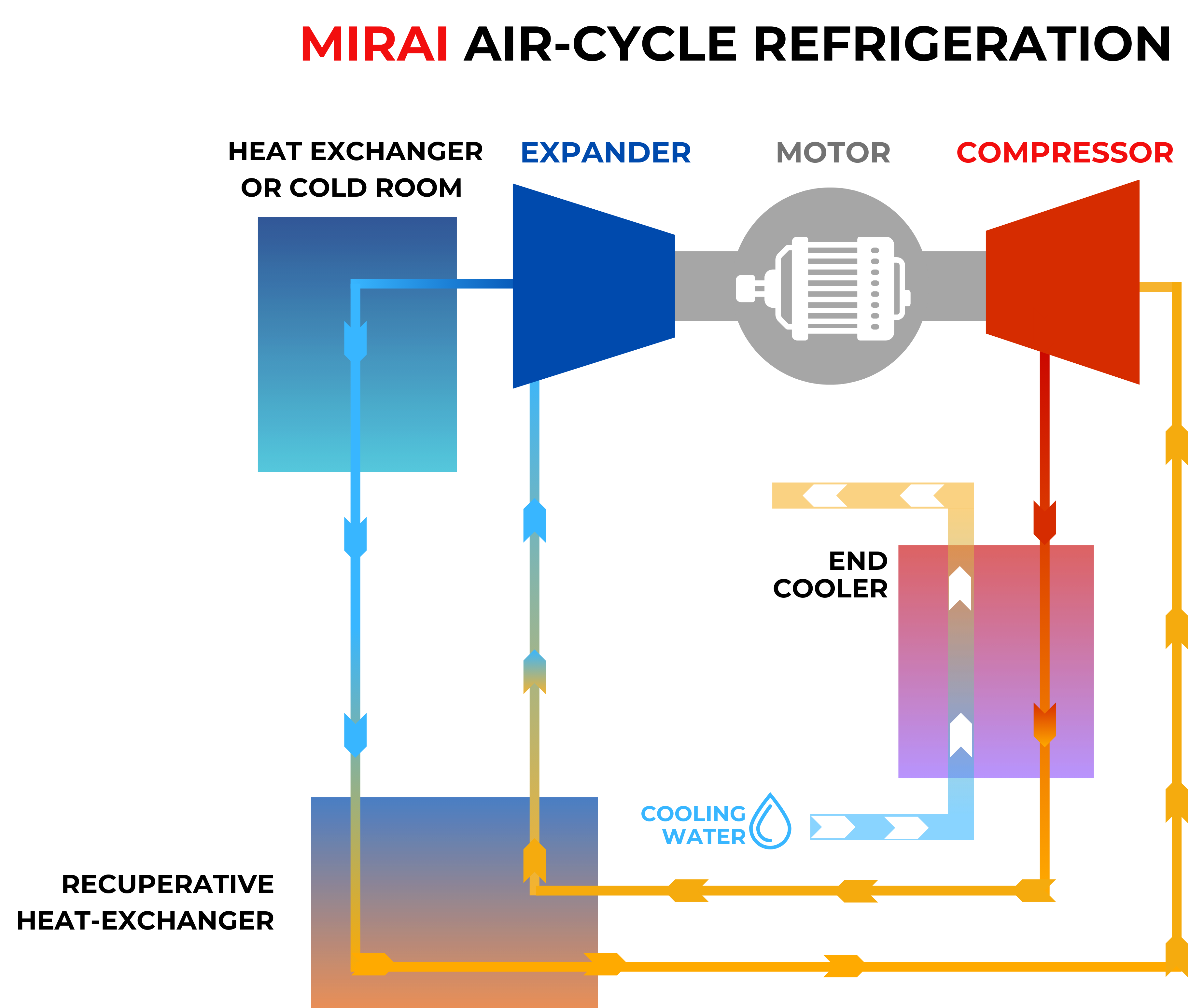
Pic 1. Air-cycle refrigeration system
Upgrade Case Logic: Performance, Energy, and Reliability Gains
Facilities that complete a plasma freezing system upgrade typically observe measurable improvements across several operational metrics.
One of the most notable advantages is that the duration of freezing is reduced. In numerous instances, enhanced systems can reduce freezing time by 20 to 40 percent, contingent upon their configuration and the conditions present at the time of their initial installation.
Energy efficiency improvements are also common. Modern refrigeration architectures can lower electricity consumption by 15–30 percent compared to outdated freezing systems.
Another significant outcome is that reliability has enhanced. Simpler machines and improved monitoring tools can aid in minimizing unexpected downtime.
Following an upgrade to plasma freezing equipment, the requirement for maintenance typically decreases. Facilities typically experience extended service intervals and a reduced need for emergency repairs.
These enhancements collectively enhance plasma freezing performance, enabling facilities to maintain high product quality while simultaneously reducing their operating expenses.
How Mirai Intex Supports Plasma Freezing Modernization
As freezing infrastructure changes, specialized technology partners are key to making modernization projects happen.
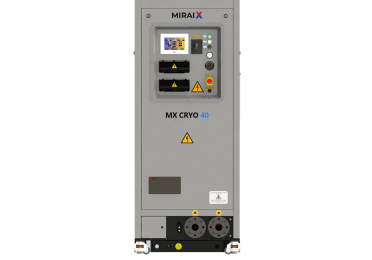
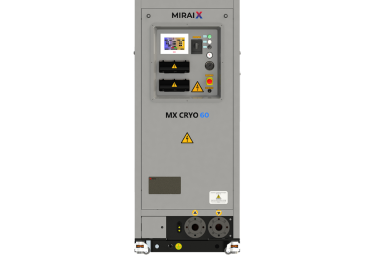
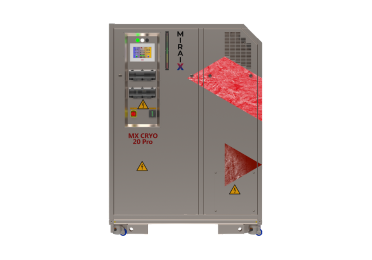
Mirai Intex assists facilities aiming to upgrade plasma freezing systems by providing modular retrofit solutions specifically designed for plasma processing environments.
These systems are designed to integrate seamlessly with current freezing chambers and infrastructure, enabling rapid and straightforward plasma freezing retrofit projects without the need to completely redesign the entire facility.
Another advantage is that it is built for durability. Mirai systems are designed for durability and simplified maintenance.
Operators can continuously monitor system performance due to remote monitoring capabilities. This aids in managing regulatory documentation and conducting preventative maintenance.
With these features, companies can implement plasma freezing modernization strategies that enhance performance while ensuring operations continue to run seamlessly.

Pic 2. Example of Mirai Intex integration into plasma freezing system HOF FTU
Planning a Plasma Freezing System Upgrade
For modernization projects to succeed, they must be meticulously planned and thoroughly assessed from a technical standpoint.
- The first step is to look at the whole system. Engineers assess the condition of existing components, evaluate their energy consumption, determine their freezing capacity, and analyze the frequency of required repairs.
- Next, we identify the operational bottlenecks. These may include insufficient cooling capacity, fluctuations in temperature, or the potential consequences of not adhering to refrigerant regulations.
- Once key limitations are identified, engineers design an upgrade strategy. This may involve a plasma freezing retrofit, compressor replacement, or implementation of an air-cycle refrigeration upgrade.
- Validation is a crucial step as well. Any plasma freezing system upgrade must be tested to ensure it meets required freezing performance and regulatory standards.
- Ultimately, the commissioning and training of operators ensure that the enhanced system integrates smoothly with the existing practices in the facility.
Conclusion: Modernizing Plasma Freezing Systems Without Operational Risk
To maintain plasma quality, adhere to established guidelines and ensure smooth operations, a dependable freezing infrastructure is essential. However, numerous facilities continue to rely on outdated freezing systems that struggle to meet the speed, efficiency, and stability required in contemporary plasma processing settings.
Many companies find that the best way to upgrade plasma freezing systems is to do so in a targeted way rather than by replacing whole installations. A carefully designed plasma freezing system upgrade allows facilities to improve plasma freezing performance, reduce energy consumption, and extend equipment lifespan while maintaining existing infrastructure.
In this context, Mirai Intex systems offer a particularly effective pathway for plasma freezing modernization. Their air-cycle refrigeration architecture enables facilities to implement a plasma freezing retrofit without relying on regulated refrigerants, eliminating long-term compliance risks while simplifying system design. Because these systems integrate with existing freezing infrastructure, facilities can upgrade plasma freezing systems with minimal operational disruption and faster deployment timelines.
By combining high reliability, reduced maintenance requirements, and refrigerant-free operation, Mirai Intex technology supports sustainable plasma freezing equipment upgrade strategies. This approach enables plasma centers to upgrade essential freezing equipment while maintaining smooth operations and preparing for future performance and regulatory requirements.