Plasma Freezers Comparison: Speed, Quality & Compliance | MIRAI INTEX

Comparison Of Plasma Freezer Types
Correctly freezing blood plasma is critical in modern medicine — freezing speed, temperature consistency, and equipment choice directly determines whether the final product is clinically safe or must be discarded. Blood banks, hospitals, donation centers, and fractionation facilities all face significant decisions around plasma freezer types and plasma freezing technology, yet thorough plasma freezer comparison is often overlooked in favour of cost or familiarity over clinical effectiveness.
This article evaluates the main plasma freezing systems, assessing plasma freezer performance, blood plasma freezing outcomes, and regulatory compliance. Ultra-low temperature plasma freezing is central to plasma freezing quality and medical plasma storage standards, particularly for preserving sensitive components such as Factor VIII and immunoglobulins. The role of air cycle plasma freezer technology is also examined within this broader comparison.
Why Plasma Freezing Technology Is Critical
The type of plasma freezer you choose—contact plate, blast, liquid nitrogen, cascade refrigeration, or air cycle—will directly affect how quickly it freezes, how evenly it freezes, and how well it works in the clinic. This comparison of plasma freezers shows that each type has its own pros and cons. For example, contact plate freezers are best for smaller facilities, while blast freezers are more flexible but slower and less reliable. Liquid nitrogen systems are best for freezing blood plasma quickly and at very low temperatures, but they are more expensive and have stricter safety rules. Cascade refrigeration systems have problems with defrosting and following refrigerant rules. The air cycle plasma freezer technology is different because it freezes plasma consistently without using synthetic refrigerants, which is in line with modern environmental standards.
Facilities can significantly enhance plasma freezing quality and medical plasma storage results by comprehending the various types of plasma freezers, as the selection of plasma freezing technology directly influences the stability of proteins and clotting factors. The performance of the plasma freezer is what ultimately keeps patients safe and increases the yield of the product. This makes the method of freezing blood plasma an important operational choice.
Key Criteria for Comparing Plasma Freezers
There are a few things that truly affect both the quality of the plasma and how well a facility functions on a daily basis when you look at different kinds of plasma freezers.
- Speed of freezing: The faster the plasma freezes, the more proteins and clotting components it keeps. Any delay in the process begins to degrade the product.
- Batch size: In places where a lot of work needs to be done quickly and falling behind isn't an option, the system's ability to handle a lot of work is what decides if it can keep up with demand.
- Consistency in temperature: The protein could be destroyed if some units freeze quicker or slower than others due to hot or cold regions.
- Uniformity: Plasma can stratify even if it doesn't freeze all the way through, therefore the quality of the plasma can change from batch to batch.
- Energy use: Systems that are more efficient cost less to run overtime and have less impact on the environment.
- Upkeep and downtime: A freezer that needs to be maintained often not only costs money, but it also slows down work and diminishes productivity.
- Scalability: Facilities don't usually consider about scalability until they need it. A system that can grow with demand saves you money and trouble by not having to replace all of the equipment later.
- Following the rules: Plasma freezing technology used in medicine must meet demanding medical, safety, and environmental criteria to remain working and keep patients safe.
When you put all these elements together, they make a thorough plasma freezer comparison truly helpful for any organization that wants to make the proper choice today and in the future.
Contact Plate Plasma Freezers
Contact plate freezers press plasma bags between cold metal plates, which transfers heat more efficiently than blast methods. This makes them a strong choice for any plasma freezer comparison for facilities that handle standard flat bag sizes. They are easy to use, cheap to install, and work well in blood banks that don't need a lot of plasma freezing at once.
Their main problem is that they can't grow. When freezing blood plasma, uneven plate pressure in larger batches can make the freezing uniformity between bag edges and centers less consistent. Also, plasma freezers don't freeze as quickly as cryogenic and air cycle plasma freezers. You can only increase capacity by adding more units, not by scaling up one system. This makes contact plate technology one of the more useful plasma freezing systems for small to medium blood banks and hospital transfusion services, where batch sizes are still manageable and ultra-low temperature plasma freezing speeds are not the most important thing for medical plasma storage.
Blast Freezing Systems
Blast freezers are one of the oldest types of plasma freezers. They move cold air around plasma bags and are more flexible than plate-based plasma freezing systems because they can hold bags of different shapes and sizes. But air doesn't conduct heat as well as direct contact or cryogenic methods, which makes plasma freezers work less well and slows down the freezing of blood plasma overall. In bigger batches, uneven airflow makes plasma freezing less effective and can dry out the bags' surfaces if they are left out for too long.
Standard blast plasma freezing technology doesn't work for high-volume facilities that have to meet Fresh Frozen Plasma (FFP) deadlines. It works well for smaller businesses, but its biological and throughput limits make it less competitive in places where medical plasma storage standards are high. In fact, it is far behind ultra-low temperature plasma freezing and air cycle plasma freezer systems in any serious plasma freezer comparison across all plasma freezing systems.
Liquid Nitrogen Plasma Freezers
Liquid nitrogen systems freeze blood plasma the fastest and at the lowest temperatures of all plasma freezer types. This makes them the best at freezing plasma and the best at freezing plasma at very low temperatures, which is great for keeping proteins and clotting factors safe. But these plasma freezing systems have some big downsides: they need a reliable LN₂ supply chain, they cost a lot to run, they have strict handling rules, and they need specialized staff, which makes storing medical plasma more complicated. Because of this, this plasma freezing technology is only used in specialized centers where the quality of the plasma freezing process is worth the extra work. In these places, an air cycle plasma freezer or blast system would not be able to do the job as well as this technology.
Cascade Refrigeration Freezers
Cascade refrigeration systems use two or more circuits in series to achieve ultra-low temperature plasma freezing that single-stage compressors cannot reliably reach, and remain common across plasma freezing systems in industrial plasma processing. However, in any plasma freezer comparison, their complexity is a notable drawback — more components mean greater maintenance demands, more failure points, and longer repair times. Defrost cycles compound this, interrupting continuous plasma freezer performance, increasing energy use, and causing repeated temperature fluctuations in the chamber.
Refrigerant compliance is an escalating concern for this plasma freezing technology. Many cascade systems rely on high-GWP synthetic HFC refrigerants, and EU F-gas regulations will cap stationary refrigeration equipment at a GWP of 150 by 2030. Facilities using outdated refrigerants are already facing higher costs, mandatory leak monitoring, and eventual equipment replacement. This regulatory pressure is shifting medical plasma storage procurement away from cascade plasma freezer types toward synthetic-free alternatives — particularly the air cycle plasma freezer — where plasma freezing quality and long-term compliance align more naturally.
Air-Cycle Plasma Freezers
The air cycle plasma freezer uses pure air instead of synthetic refrigerants, marking a meaningful advance in plasma freezing technology. It delivers consistent blood plasma freezing, stands out in any plasma freezer comparison for sustainability and plasma freezing quality, and meets regulatory standards across all plasma freezer types. These plasma freezing systems maintain strong plasma freezer performance — including ultra-low temperature plasma freezing — while supporting long-term medical plasma storage goals, making them a growing choice for hospitals and plasma facilities.
Biological Impact: How Freezer Type Affects Plasma Quality
The formation of ice crystals is what really determines the quality of plasma freezing. Slow freezing of blood plasma makes big crystals that break up the plasma matrix. Fast, even freezing keeps the structure intact. This makes freezing rate one of the most important factors to look at when comparing plasma freezers. Storage temperature determines long-term stability, and these two things together set the standard for how well all plasma freezing systems work.
The main sign of how well a plasma freezer works is how well it recovers factor VIII. Slower freezing always lowers recovery rates, which has a direct effect on fractionation output and revenue. Von Willebrand factor and fibrinogen are equally sensitive; freezing blood plasma in an inconsistent way changes their molecular structure, which makes them less effective at clotting and shorter shelf life. These results have an impact on both the results of transfusions and the costs of fractionation. This is another reason why choosing the right plasma freezing technology, whether it's an ultra-low temperature plasma freezing system or an air cycle plasma freezer, is important for medical plasma storage and patient care.
A comparison of biological plasma freezers shows that different types of plasma freezers work better or worse than others:
- Contact plate freezers make bags that are consistent and freeze faster than blast systems. However, the speed is limited by the thermal conductivity of the plates, and the consistency of the batch depends on how evenly the bags are filled.
- Blast freezers take the longest to crystallize, and because the airflow is different from batch to batch, they are also the most likely to freeze blood plasma unevenly.
- Liquid nitrogen systems crystallize the fastest and make the smallest ice crystals. Plasma freezing systems that keep LN₂ from coming into direct contact with proteins are very good at preserving proteins.
- Cascade refrigeration systems freeze well, but they are sensitive to temperature changes during defrost cycles. This can slowly lower the quality of plasma freezing in environments with a lot of throughputs.
- The air cycle plasma freezer is unique because it combines fast, even crystallization with the removal of temperature changes that happen when defrosting. This means that the plasma freezer works the same way for all batches. One of the best ways to store medical plasma is in bags that freeze at the same time and in the same way. This is because the structure of the bags makes it very strong.
Operational & Economic Comparison
While capital cost matters, total ownership cost for plasma freezing systems depends primarily on:
- Energy consumption: Legacy cascade and blast systems tend to consume more energy than modern air-cycle plasma freezers, affecting long-term budgets.
- Maintenance requirements: Complex refrigerant circuits and compressors require frequent servicing, whereas air-cycle plasma freezers minimize maintenance.
- Productivity and throughput: Air-cycle plasma freezers can freeze more batches daily without defrost interruptions, boosting efficiency.
- Downtime risk: Unplanned stops from compressor failure or refrigerant leaks disrupt workflow and threaten product integrity.
- Scalability: Modular, upgradable systems suit facilities anticipating growth.
Regulatory & Environmental Considerations
As environmental rules get stricter, LN₂ and cascade plasma freezing systems are coming under more and more scrutiny because they use nitrogen and release F-gases. Air cycle plasma freezer technology uses air as a natural refrigerant and meets global safety and ESG standards. This makes it one of the most future-proof types of plasma freezer in all plasma freezing systems. This plasma freezing technology goes beyond just following the rules for long-term medical plasma storage. It also provides operational security as regulatory requirements change over time.
.png)
Which Plasma Freezer Type Fits Which Use Case
The size of the facility and how it works will have a big impact on which type of plasma freezer is best.
Contact plate or entry-level blast plasma freezing systems work well for small blood banks and hospital transfusion services with moderate volumes, as long as surge capacity stays manageable.
Mid-sized to large regional blood centers that care about throughput and the quality of plasma freezing must choose between LN₂ systems, which are fast but depend on the supply chain, and air cycle plasma freezer systems, which can run all the time without needing outside supplies.
Air cycle plasma freezing technology is a good fit for large-scale plasma fractionation plants because it has the highest standards for freezing speed and consistency, which directly affects the yield of the derived product.
For facilities in areas with limited industrial gas infrastructure, LN₂ systems pose supply risks that air cycle plasma freezing systems, which use ambient air, do not. In all plasma freezing systems, future regulatory compliance must also be considered when making capital decisions today.
This is because the timelines for reducing the use of refrigerants will have an impact on blood plasma freezing operations and medical plasma storage management in the future.
MIRAI Intex Approach to Plasma Freezing
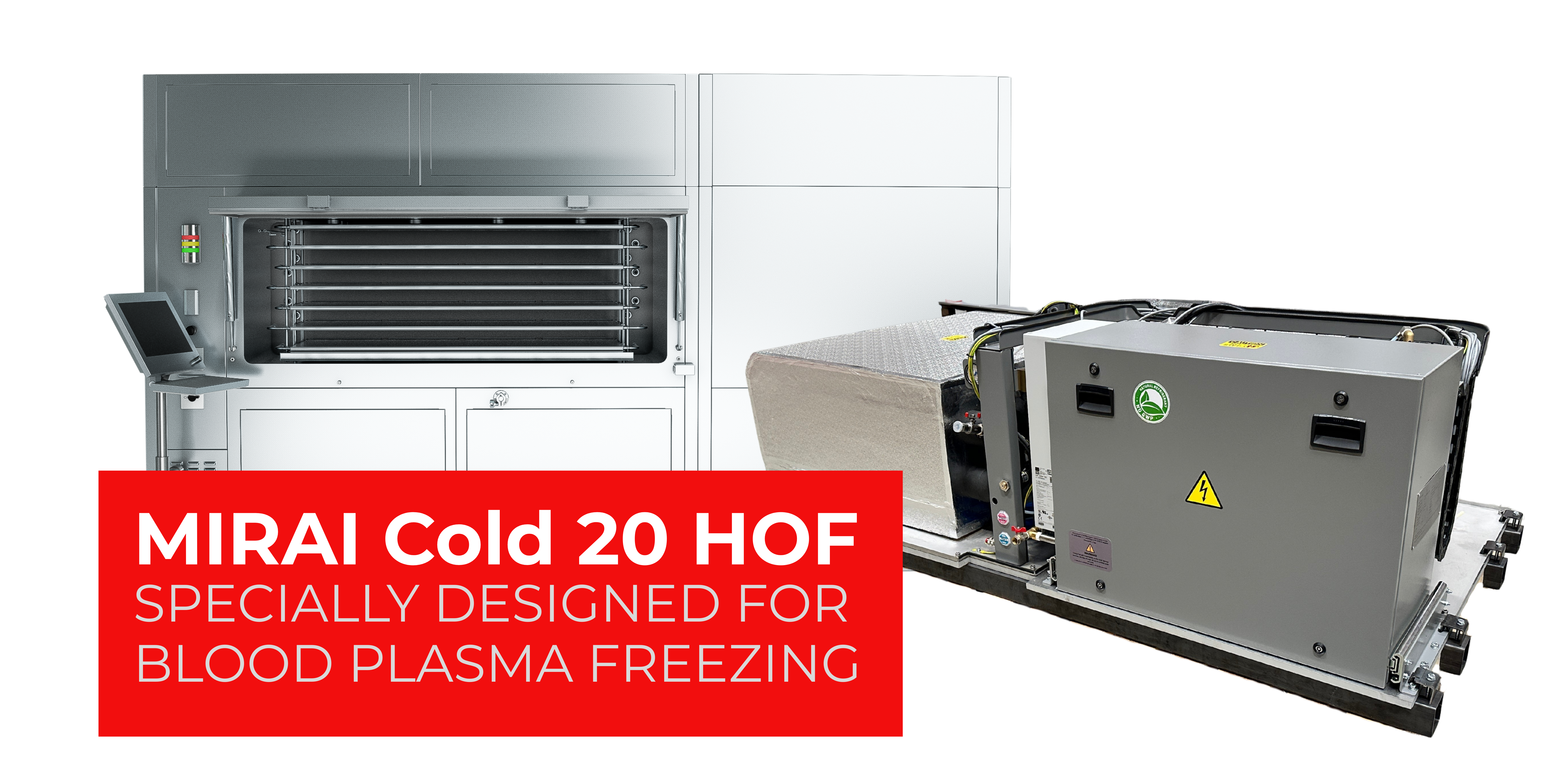
MIRAI Intex delivers high-performance freezing technology anchored in dependability, consistency, and strict regulatory compliance. The company is at the forefront of innovation with its unique air cycle technology, which utilizes advanced turbo-compressors to achieve ultra-low temperatures without the need for harmful refrigerants.
.png)
In a strategic collaboration with HOF Sonderanlagenbau GmbH, MIRAI Intex has integrated this cutting-edge technology into specialized Blood Plasma FTU (Freeze Thaw Unit) machines. This partnership addresses the evolving needs of medical plasma storage by providing systems that offer unmatched freezing speed and uniformity. By focusing on these sustainable, air-cycle solutions, MIRAI Intex ensures peak clinical performance and long-term environmental compliance without compromising the integrity of sensitive biological products.
Conclusion: Choosing the Right Plasma Freezing Technology
There is no one best answer when comparing plasma freezers. The best choice for each facility will depend on how fast they need to freeze, how consistent they need to be, how much it will cost to run, and how well it will comply with regulations in the long term. The performance bar is getting higher as plasma freezing technology gets better. New technologies like the air cycle plasma freezer are improving the quality of plasma freezing while also meeting stricter safety and environmental standards for all types of plasma freezers.
When choosing plasma freezing systems, the best facilities don't just think about how much they will cost and how easy they will be to use. They think about where the rules and standards for freezing blood plasma are going and make sure that their medical plasma storage infrastructure and the performance of the plasma freezer it provides are still up to date as operational needs and industry standards change.

