
Closed cycle systems
MIRAI Cold closed cycle machines are the true plug & play refrigeration solution for ultra-low temperatures with environment and sustainability in mind. Multiple machines can be used in a modular configuration for redundancy and convenience.

MIRAI Cold 20 T
(MC 20 C/W/T)
-

-
-
-


MIRAI Cold 40 T
(MC 40 C/W/T)
-
-
-
-

MIRAI Cold 60 T
(MC 60 C/W/T)
-
-
-
-
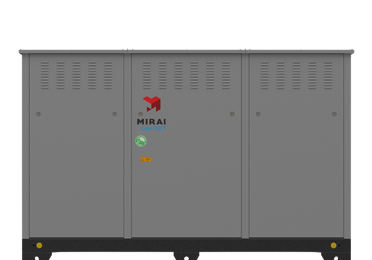
MIRAI Cold 150 T
(MC 150 C/W/T)
-
-
-
-

MIRAI Cold 90 LNG
(MC 90 C/W/L)
-
-
-
-
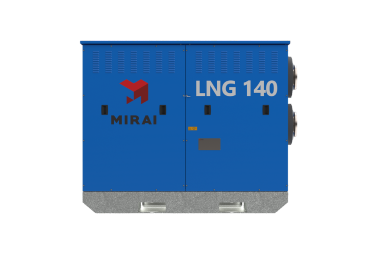
MIRAI Cold 140 LNG
(MC 140 C/W/L)
-
-
-
-
Applications

ULT LIQUID COOLER APPLICATIONS
Lyophilization
Lyophilization, also known as freeze-drying, is a sophisticated dehydration process widely used in pharmaceuticals, biotechnology, and food preservation to extend the shelf life of products while maintaining their structural integrity and bioactivity. This method is particularly valuable for preserving sensitive materials like vaccines, antibiotics, and specialty foods.
LNG Production
Advanced solution precisely engineered for the precooling and liquefaction of biomethane
Chemical Processes
Chemical processes often involve reactions that can be exquisitely sensitive to temperature changes. Cold temperatures play a crucial role in many of these processes by slowing down reaction rates, thus offering greater control over the reaction's outcome. This is particularly important in reactions that are highly exothermic, where excessive heat can lead to runaway reactions or in processes where selectivity and product purity are paramount. By carefully managing temperatures, chemists can steer reactions to favor the formation of desired products while minimizing side reactions and degradation of sensitive compounds. This level of control is indispensable in the synthesis of complex pharmaceuticals, fine chemicals, and in various analytical procedures where precision and reliability are essential.
Freeze Drying
Freeze drying is a freeze drying process in which water is removed from the product after it has been frozen and placed under vacuum, thus allowing the ice crystals to pass directly from the solid state to the vapour state. The process is based on the physical phenomenon of sublimation, which allows a direct transition from the solid to the liquid state. Lyophilisation is mainly used in pharmaceutical and biotechnological research and the industrial production of cosmetic products or drugs such as tablets but also in the drying of foodstuffs and the preservation of archival materials (i.e. books and documents).
Solvent Recovery
Solvent Recovery is based on the fact that the vapor of a boiling mixture will be richer in low boiling point components such as alcohols, acetones, aliphatic hydrocarbons and, ketones. When the vapor is cooled and condensed, the liquid condensate becomes a valuable product that can be sold back into the industrial marketplace.
A solvent recovery system is the preferred recycling method among many industrial manufacturers since it provides a cost-effective solvent recuperation solution and minimizes adverse environmental effects.
Only natural refrigerant (AIR) is used in multiple stages of the refrigeration process. The ultra-low temperature process is realized with a MIRAI INTEX air cycle refrigeration solution MIRAI Cold.
Process Cooling
Large industrial plants or facilities need to cool their production processes almost all year round. Mirai solution is not only environmentally friendly and free of any F-gases or oils, but it is also extremely efficient. The primary role of cooling systems in industrial refrigeration systems is not only to be extremely efficient, reliable and cost-effective, but also to improve the initial production processes and contribute to environmental protection.
Industrial Cooling Processes
In cooling processes, cold temperatures are essential for efficiently reducing the heat in systems or materials. This is crucial for maintaining optimal operating conditions in machinery, preventing overheating, and preserving the integrity of temperature-sensitive products. Effective cooling ensures longevity and reliability across various applications, from industrial machinery to food preservation.
Blood Plasma Freezing
For demanding processes in the manufacture of pharmaceutical and biotechnological products in the temperature range down to -90 °C.
ULT LIQUID COOLER APPLICATIONS

Lyophilization
Lyophilization, also known as freeze-drying, is a sophisticated dehydration process widely used in pharmaceuticals, biotechnology, and food preservation to extend the shelf life of products while maintaining their structural integrity and bioactivity. This method is particularly valuable for preserving sensitive materials like vaccines, antibiotics, and specialty foods.

LNG Production
Advanced solution precisely engineered for the precooling and liquefaction of biomethane

Chemical Processes
Chemical processes often involve reactions that can be exquisitely sensitive to temperature changes. Cold temperatures play a crucial role in many of these processes by slowing down reaction rates, thus offering greater control over the reaction's outcome. This is particularly important in reactions that are highly exothermic, where excessive heat can lead to runaway reactions or in processes where selectivity and product purity are paramount. By carefully managing temperatures, chemists can steer reactions to favor the formation of desired products while minimizing side reactions and degradation of sensitive compounds. This level of control is indispensable in the synthesis of complex pharmaceuticals, fine chemicals, and in various analytical procedures where precision and reliability are essential.
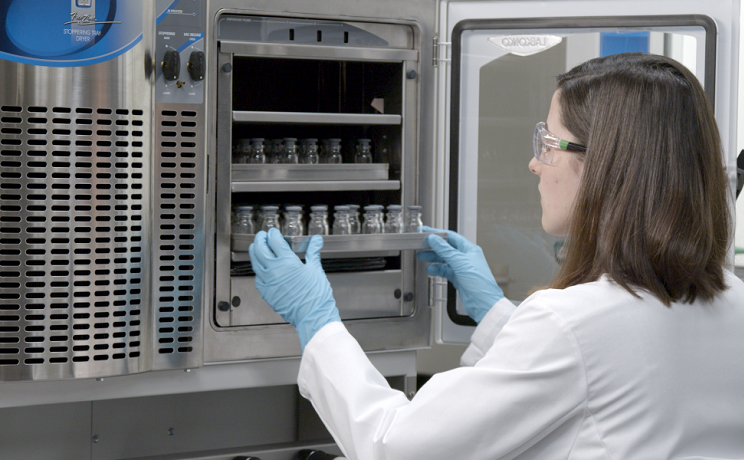
Freeze Drying
Freeze drying is a freeze drying process in which water is removed from the product after it has been frozen and placed under vacuum, thus allowing the ice crystals to pass directly from the solid state to the vapour state. The process is based on the physical phenomenon of sublimation, which allows a direct transition from the solid to the liquid state. Lyophilisation is mainly used in pharmaceutical and biotechnological research and the industrial production of cosmetic products or drugs such as tablets but also in the drying of foodstuffs and the preservation of archival materials (i.e. books and documents).

Solvent Recovery
Solvent Recovery is based on the fact that the vapor of a boiling mixture will be richer in low boiling point components such as alcohols, acetones, aliphatic hydrocarbons and, ketones. When the vapor is cooled and condensed, the liquid condensate becomes a valuable product that can be sold back into the industrial marketplace.
A solvent recovery system is the preferred recycling method among many industrial manufacturers since it provides a cost-effective solvent recuperation solution and minimizes adverse environmental effects.
Only natural refrigerant (AIR) is used in multiple stages of the refrigeration process. The ultra-low temperature process is realized with a MIRAI INTEX air cycle refrigeration solution MIRAI Cold.

Process Cooling
Large industrial plants or facilities need to cool their production processes almost all year round. Mirai solution is not only environmentally friendly and free of any F-gases or oils, but it is also extremely efficient. The primary role of cooling systems in industrial refrigeration systems is not only to be extremely efficient, reliable and cost-effective, but also to improve the initial production processes and contribute to environmental protection.

Industrial Cooling Processes
In cooling processes, cold temperatures are essential for efficiently reducing the heat in systems or materials. This is crucial for maintaining optimal operating conditions in machinery, preventing overheating, and preserving the integrity of temperature-sensitive products. Effective cooling ensures longevity and reliability across various applications, from industrial machinery to food preservation.

Blood Plasma Freezing
For demanding processes in the manufacture of pharmaceutical and biotechnological products in the temperature range down to -90 °C.
How the closed cycle systems works
Air is heated during compression and cooled through a series of heat exchanger sand then expanded to reach ultra-low temperatures.
While repeating the cycle of compression, cooling and expansion we can achieve temperatures down to -160°C.